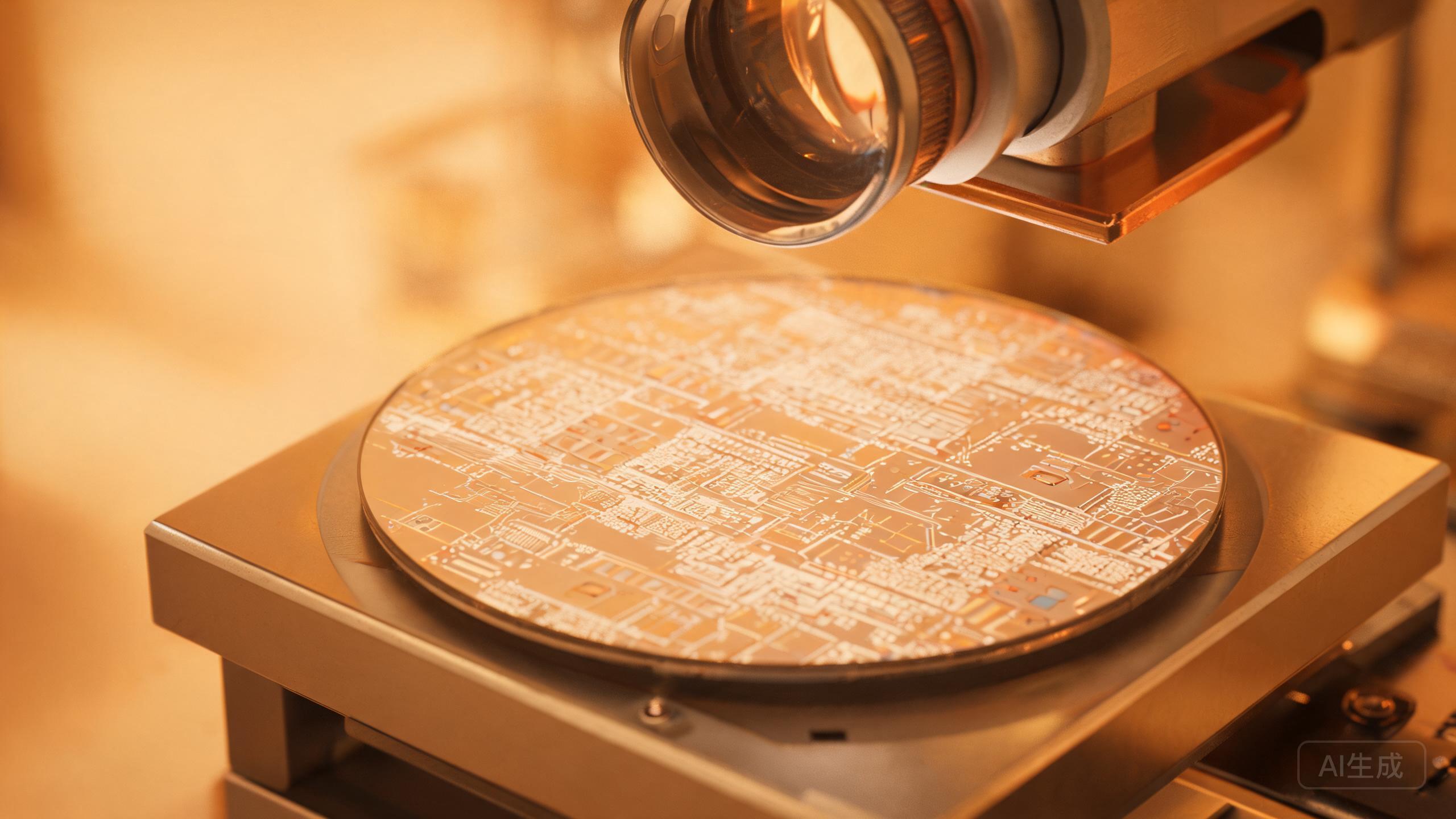
Samsung Foundry has told customers that yields on its SF2 process at Hwaseong have crossed the mid-60 percent range, a level the company describes as sufficient for commercial production. The improvement comes as the first Exynos chips built on the node reach devices and as the Taylor, Texas fab moves closer to wafer output, giving Samsung its first realistic chance to compete for leading-edge AI silicon outside its own product line.
yield and defect problems pushed customers toward
SF2 is a 2nm gate-all-around process derived from Samsung's multi-bridge channel FET architecture, the same transistor family the company introduced at 3nm. The node's early history was difficult: yield and defect problems pushed customers toward TSMC and delayed the original production timeline. What has changed is not a new transistor but a more disciplined integration flow, with tighter control of channel thickness, improved source and drain epitaxy, and a revised back-end stack that reduces resistance in the middle-of-line layers.
Samsung: Taylor is the strategic variable
Taylor is the strategic variable. The fab was designed for advanced logic and has been fitted out with EUV tools, but its commercial success depends on landing anchor customers before depreciation begins. Samsung has secured a large automotive logic deal and is negotiating AI accelerator work that would use SF2 together with its advanced packaging and HBM base-die services. The pitch is a turnkey stack: logic, memory, and packaging sourced from one company, an offer no other foundry can make at the same breadth.
That breadth cuts both ways?
That breadth cuts both ways. Samsung's memory business gives it insight into HBM requirements, but it also creates concern among customers who compete with Samsung's device divisions. The company has tried to address that by firewall arrangements and by offering base-die manufacturing as a neutral service, though trust remains a slow asset to build.
The foundry market still favors TSMC,
The foundry market still favors TSMC, whose N2 and A16 roadmaps are further along and whose packaging capacity is larger. Samsung's realistic opportunity is not to displace TSMC at the very top of the accelerator market but to become a reliable second source for customers who need geographic diversification and are willing to invest in porting. If SF2 yields hold and Taylor ramps on schedule, Samsung will have earned a seat in that conversation. If either slips, the company will remain a supplier of its own silicon rather than a foundry of choice.
"Samsung Foundry reports improving 2nm yields at Hwaseong and a first commercial Exynos shipment, while its Taylor fab prepares to take on US-based AI accelerator orders." — Samsung Newsroom