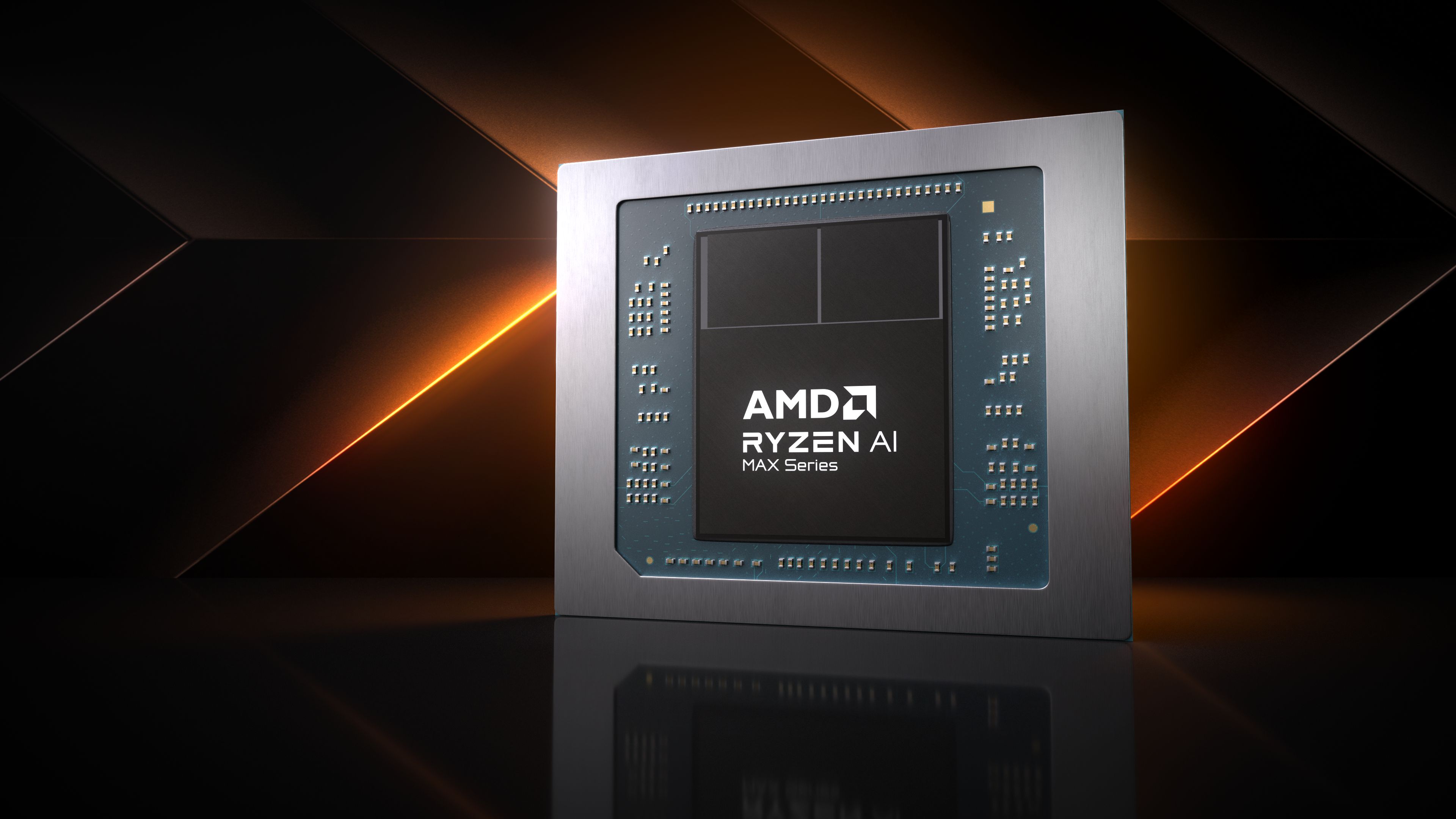
The architecture of artificial intelligence hardware is undergoing a structural decentralization as monolithic chip designs hit physical reticle size limits. Advanced Micro Devices (AMD) has publicly released technical whitepapers outlining its next-generation enterprise AI accelerator platform, which abandons traditional single-die layouts in favor of an advanced multi-chip module (MCM) configuration tailored specifically for large-scale language model inference and training.
The core compute complex comprises multiple compute
The core compute complex comprises multiple compute chiplets manufactured on an optimized 3nm process node, interconnected via a high-density silicon interposer that provides ultra-low latency data exchange. This modular approach allows AMD to maximize wafer fabrication yields by separating high-density compute logic from input/output and memory control elements. By isolating functions onto distinct silicon blocks, the company can mix and match process nodes according to specific functional requirements, utilizing leading-edge nodes strictly for core tensor processing units while leaving peripheral controls on mature, cost-effective nodes.
AMD: Thermal management within the dense server
Thermal management within the dense server rack environment presented significant engineering hurdles. Because multiple compute tiles operating at peak utilization generate extreme localized heat fluxes, traditional air-cooling sinks proved insufficient. AMD’s engineering team integrated direct-to-chip micro-fluidic liquid cooling headers directly into the package design, enabling coolant to circulate immediately above the thermal interface material of the active silicon dies.
Software ecosystem co-design has accompanied the?
Software ecosystem co-design has accompanied the hardware rollout, with updated compilation frameworks designed to optimize tensor graph partitioning across distributed chiplets automatically. Enterprise cloud providers evaluating early engineering samples report substantial performance-per-watt improvements over prior generations, validating the industry-wide transition toward modular heterogeneous computing for enterprise-scale artificial intelligence infrastructure.
Key Takeaways
- AMD continues to push boundaries in ai processors.
- The development addresses fundamental physical limitations in semiconductor scaling.
- Commercial viability will depend on yield stability and supply chain integration.